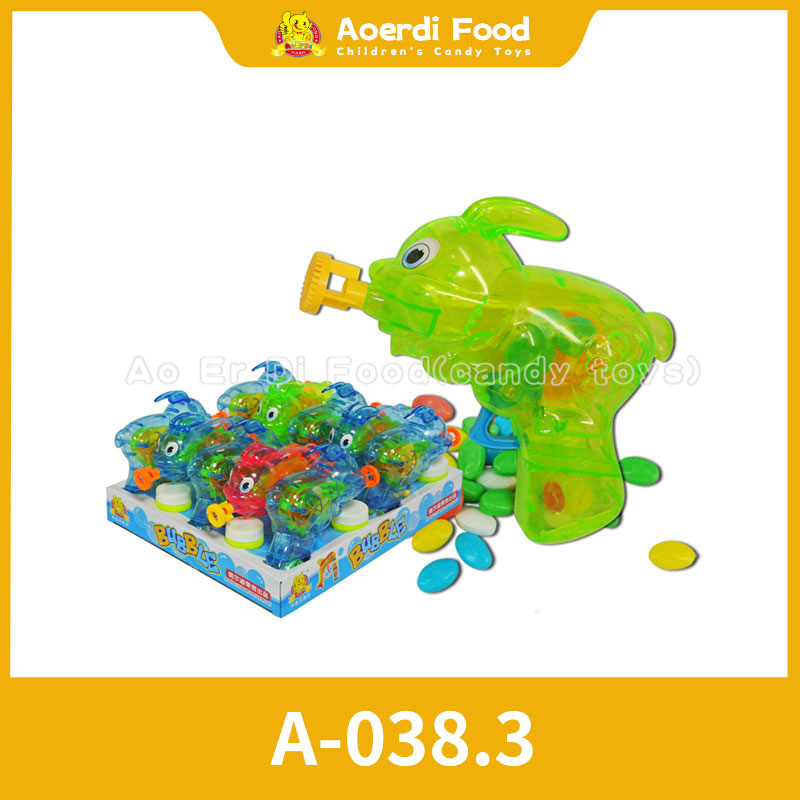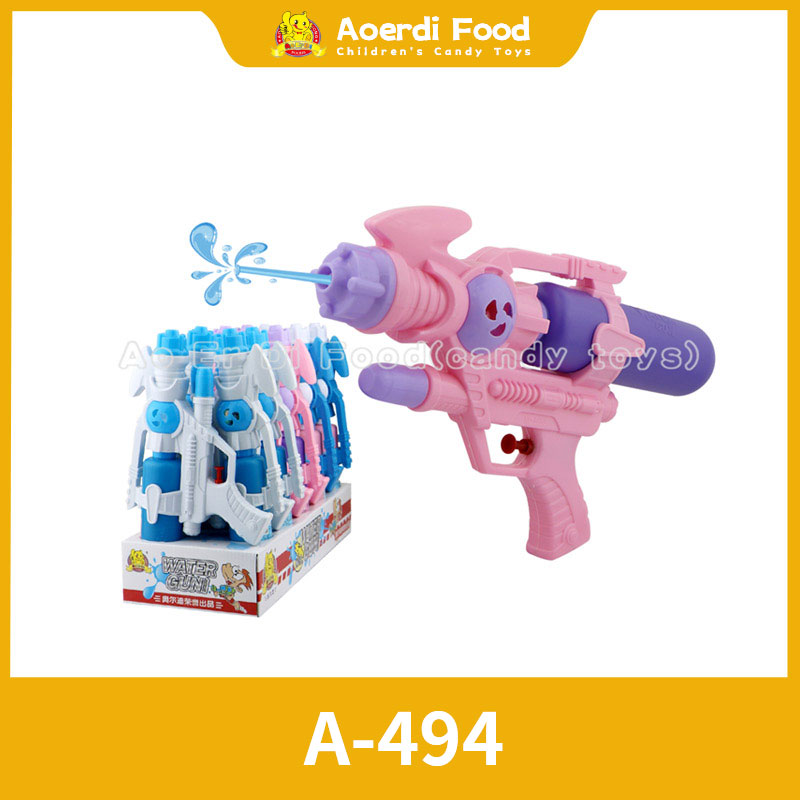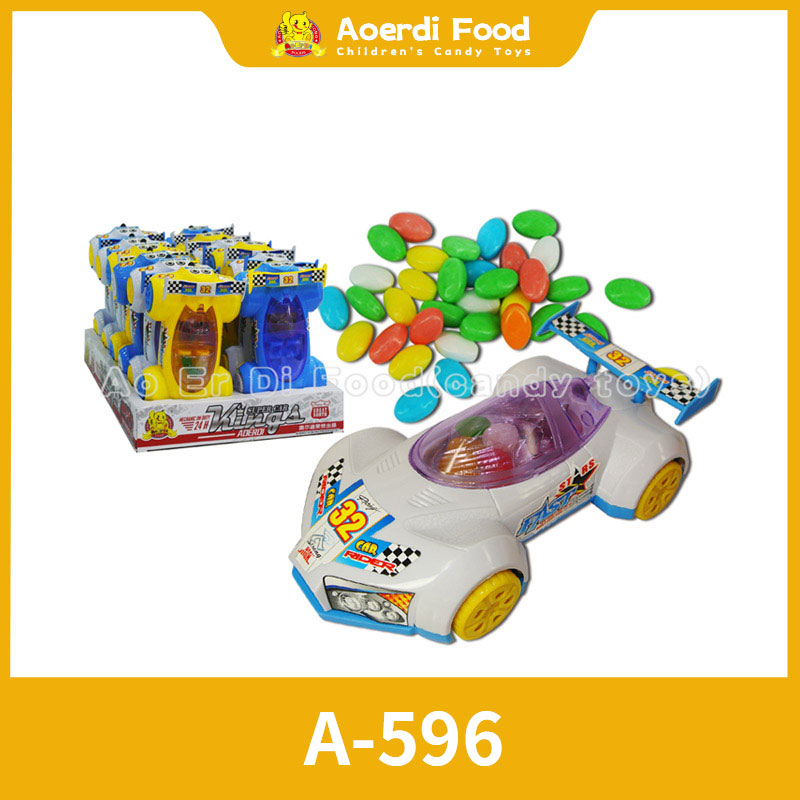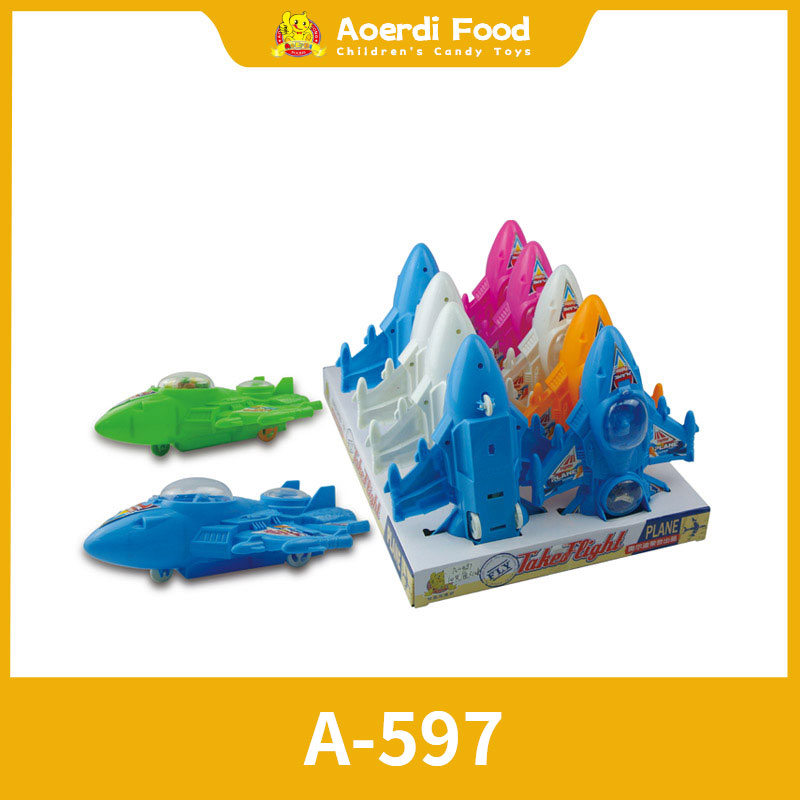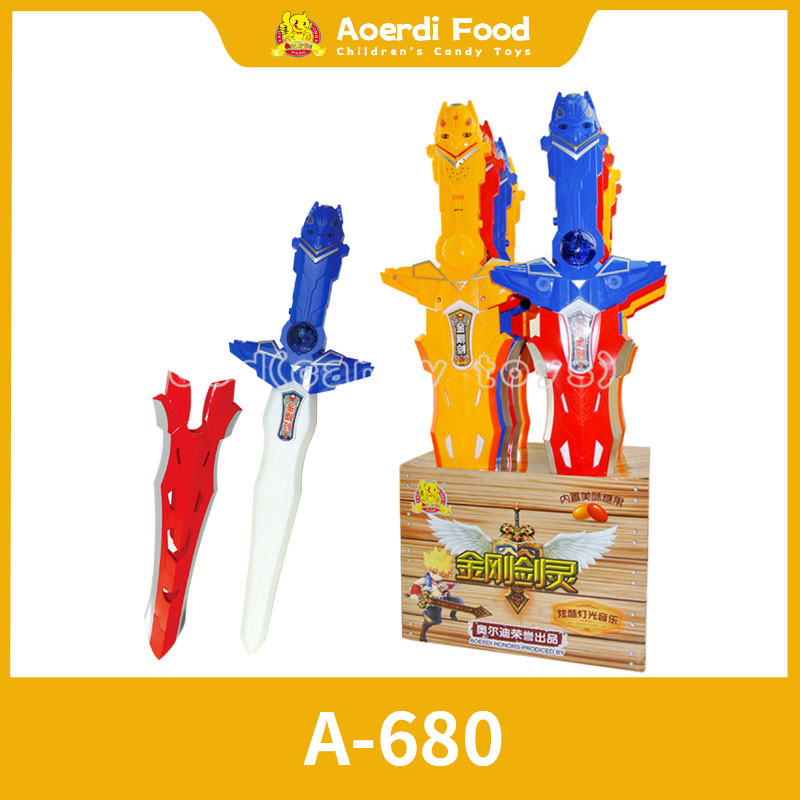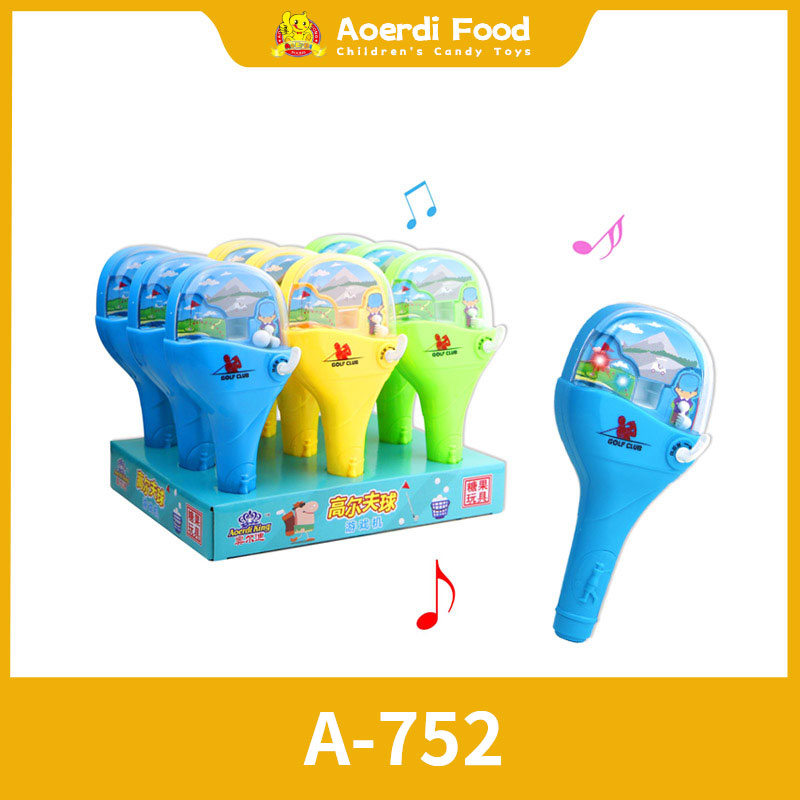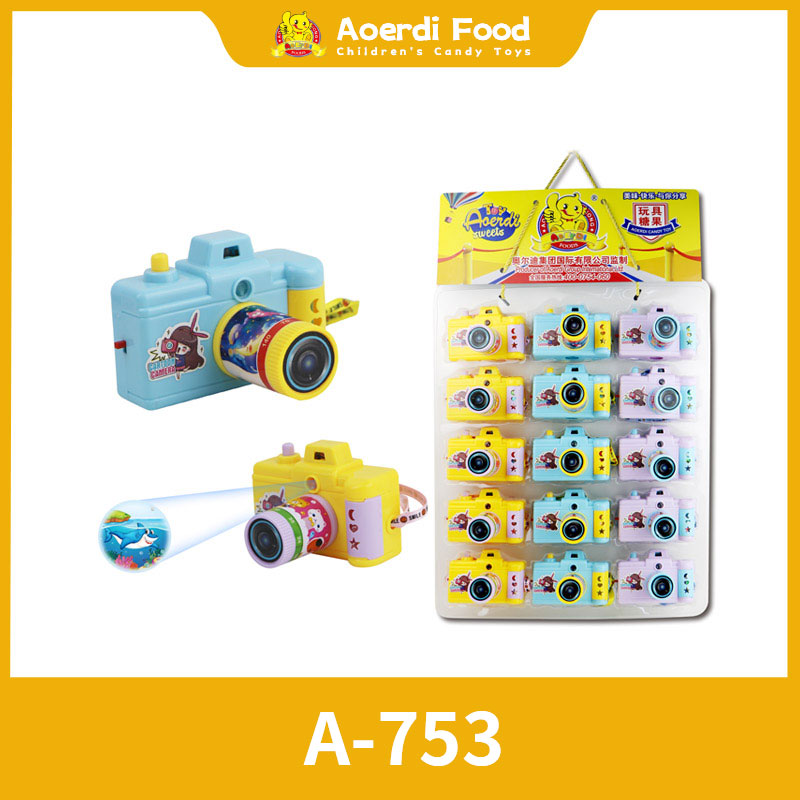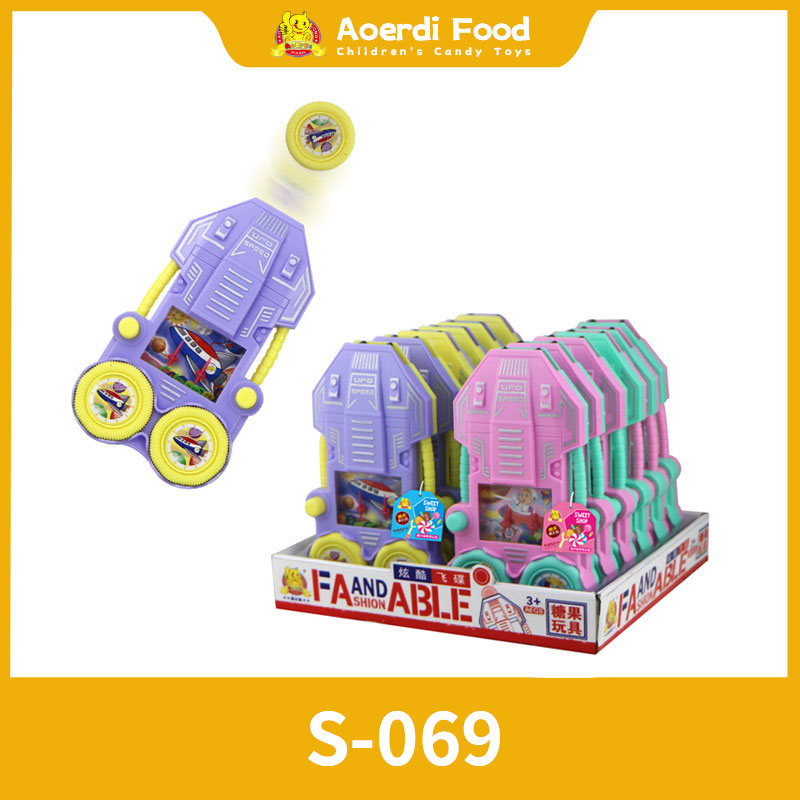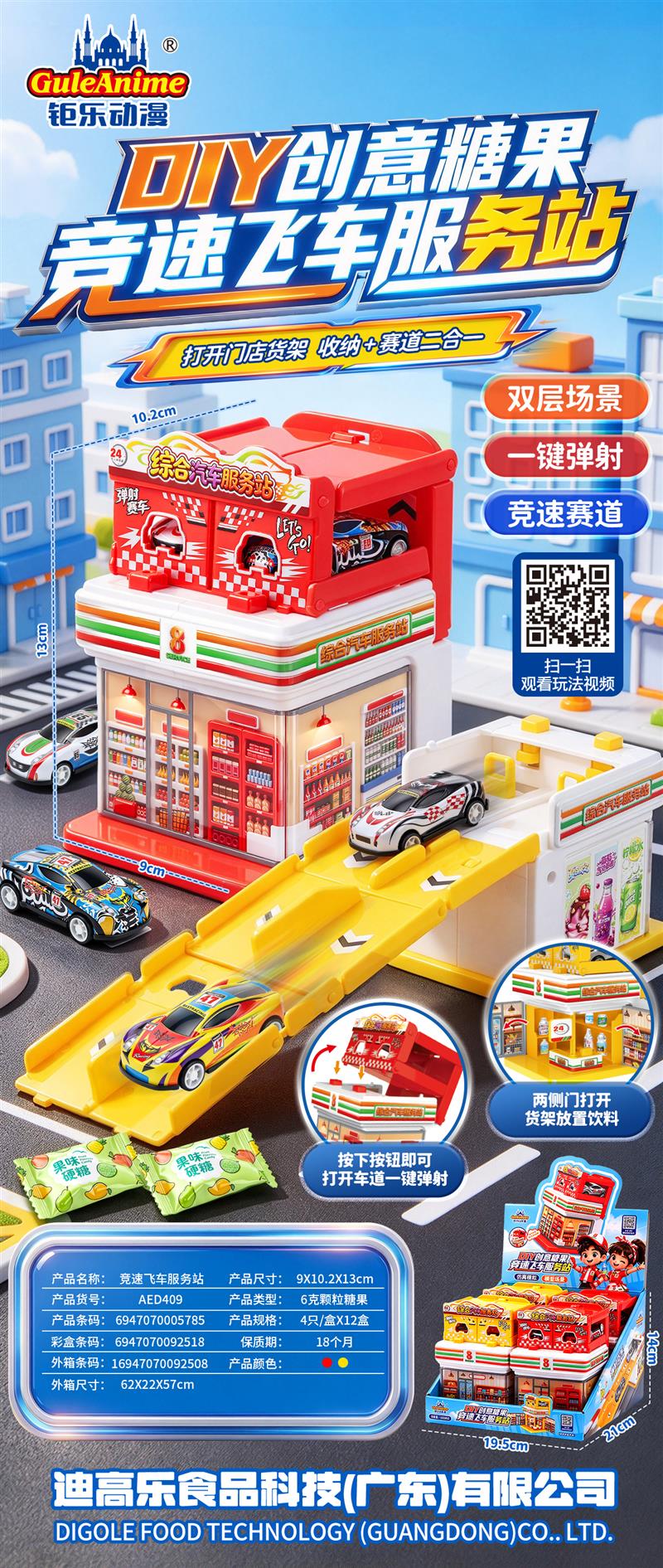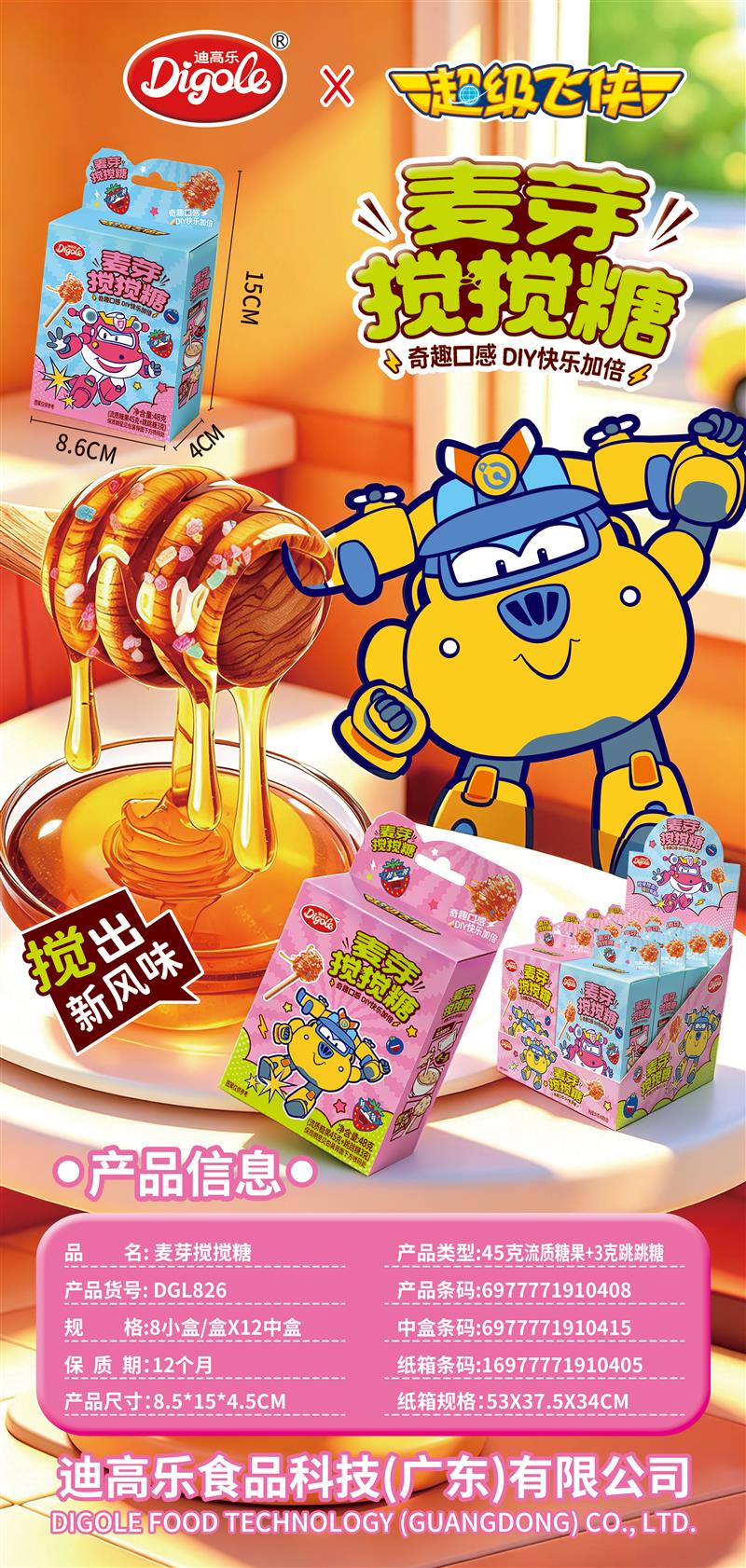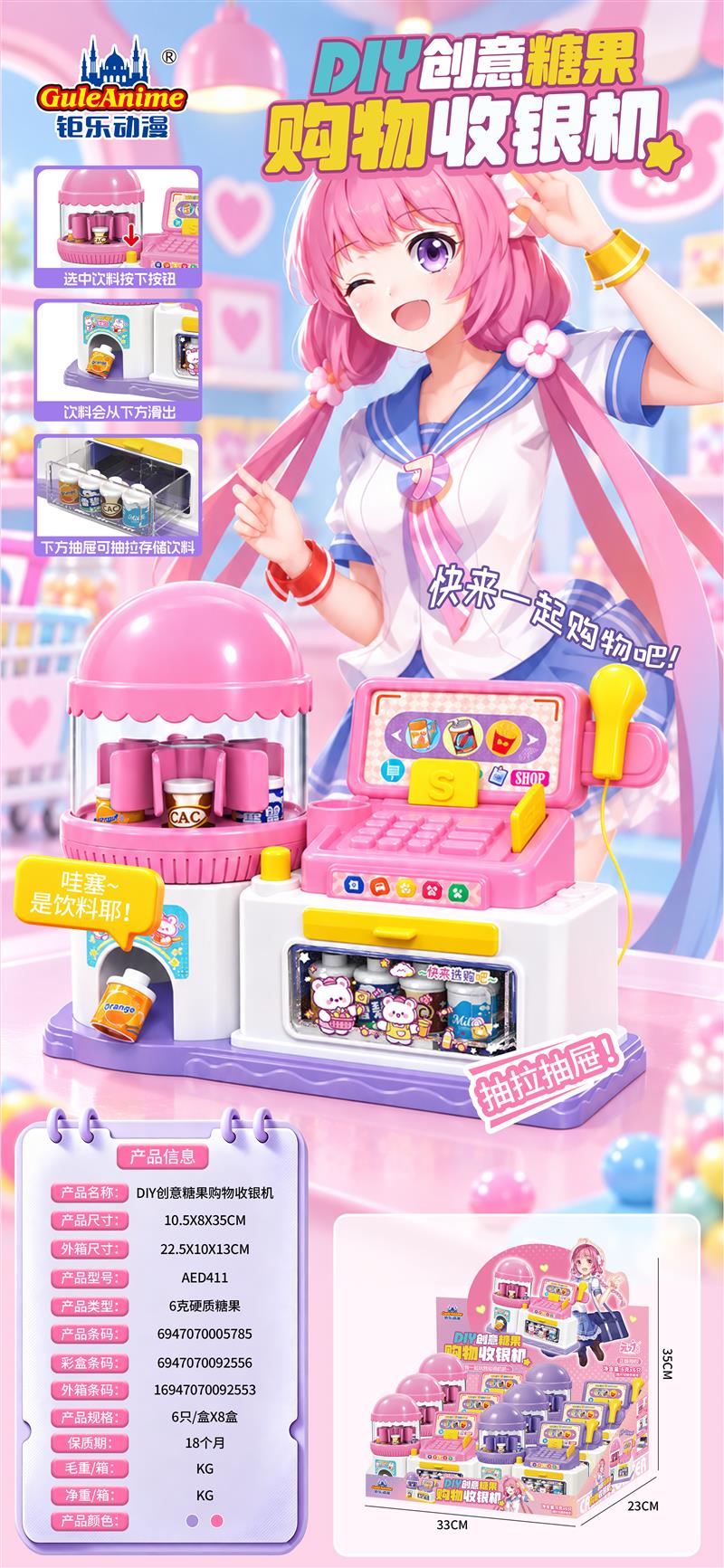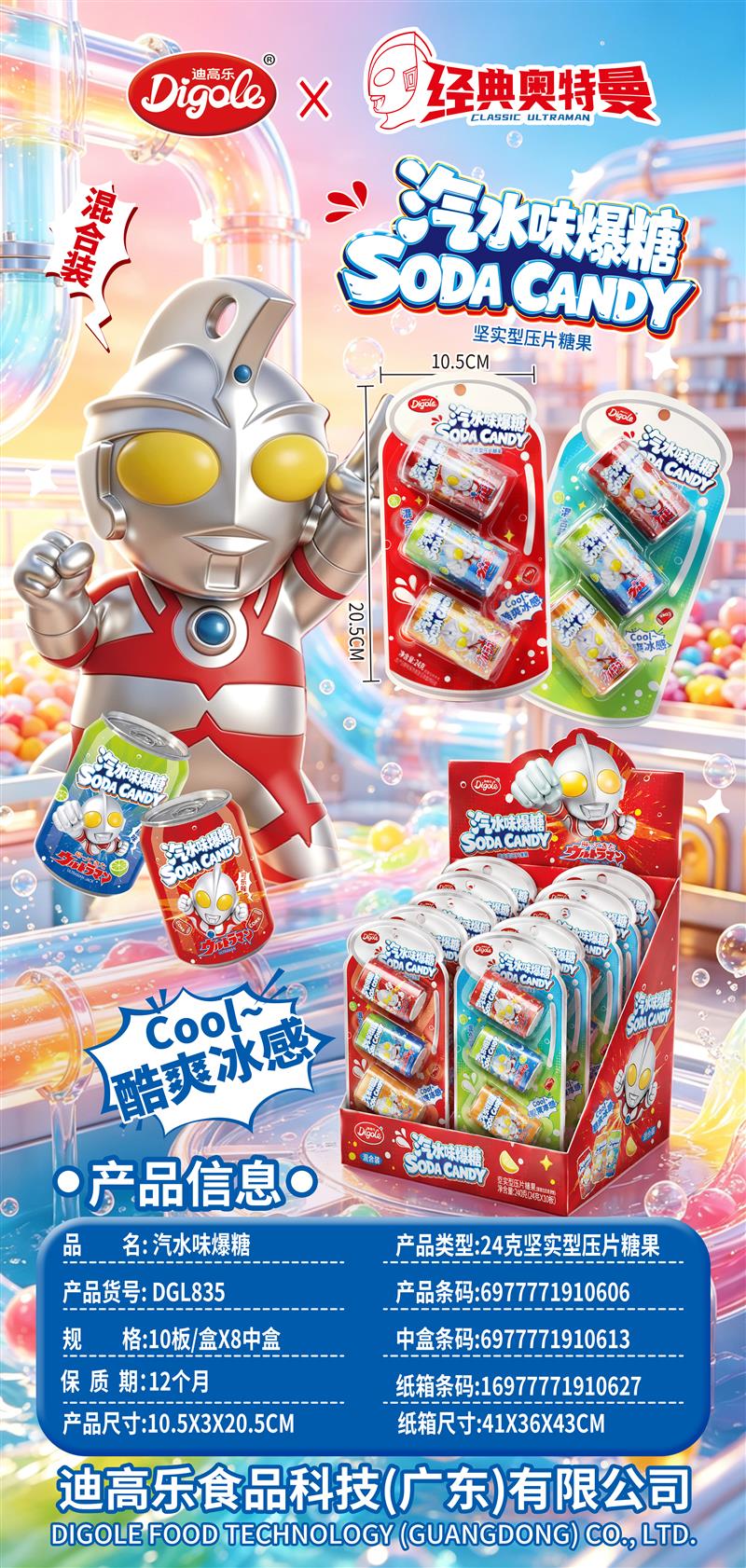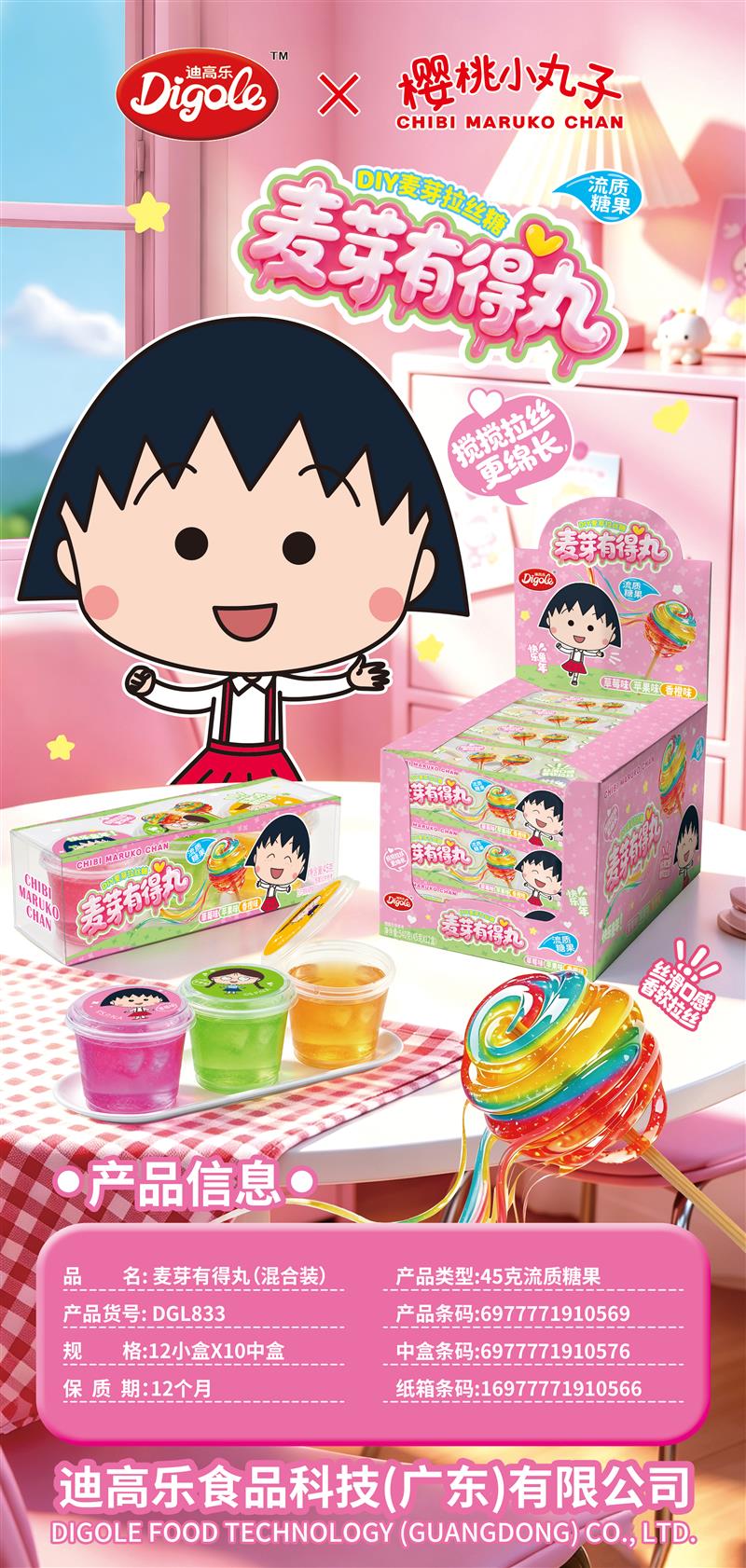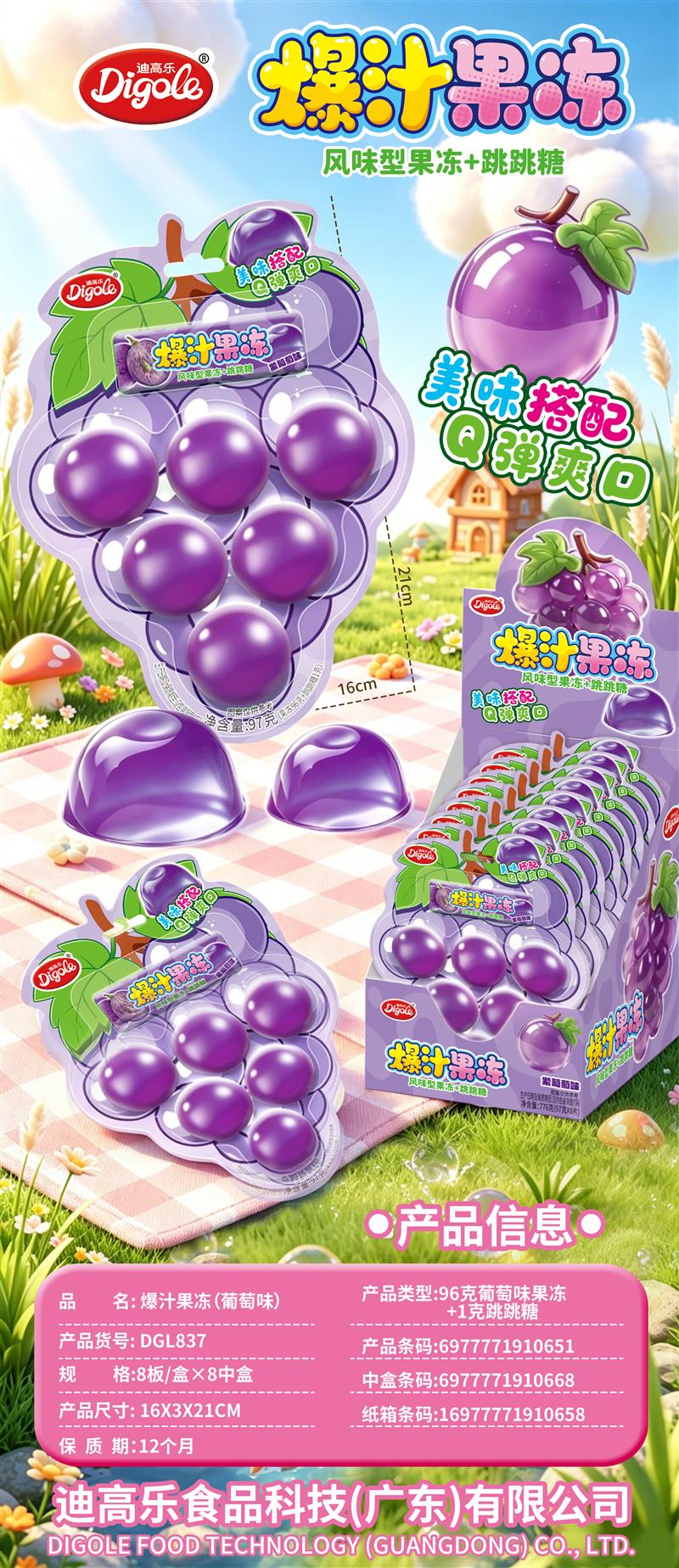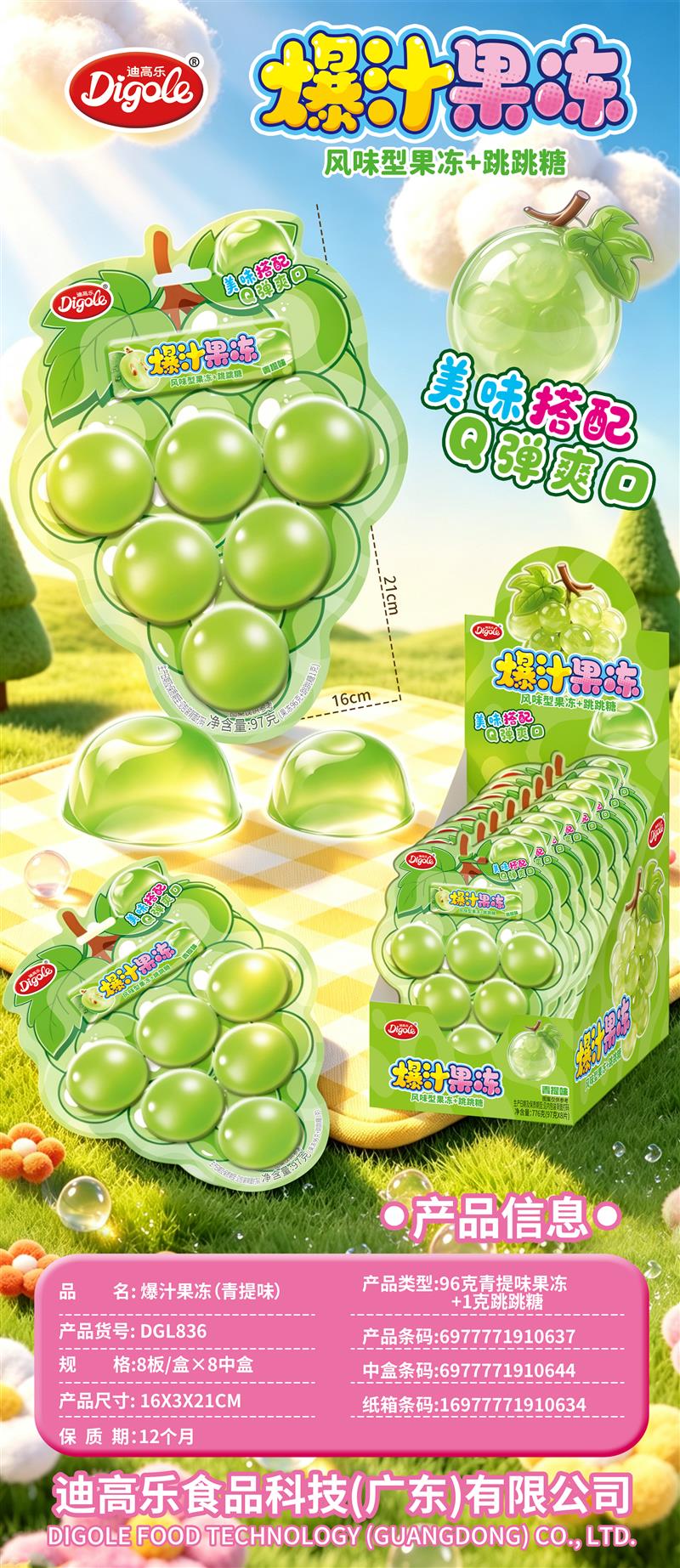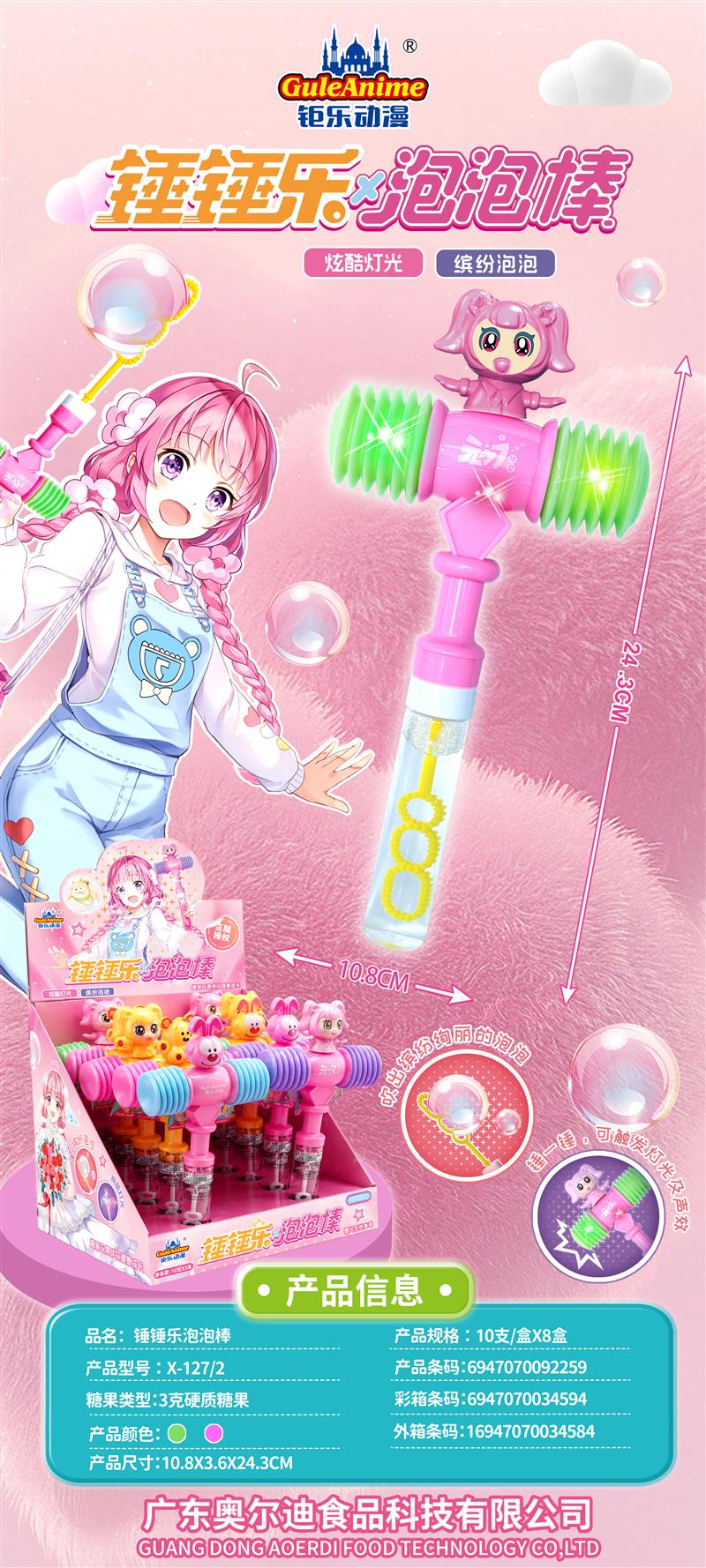

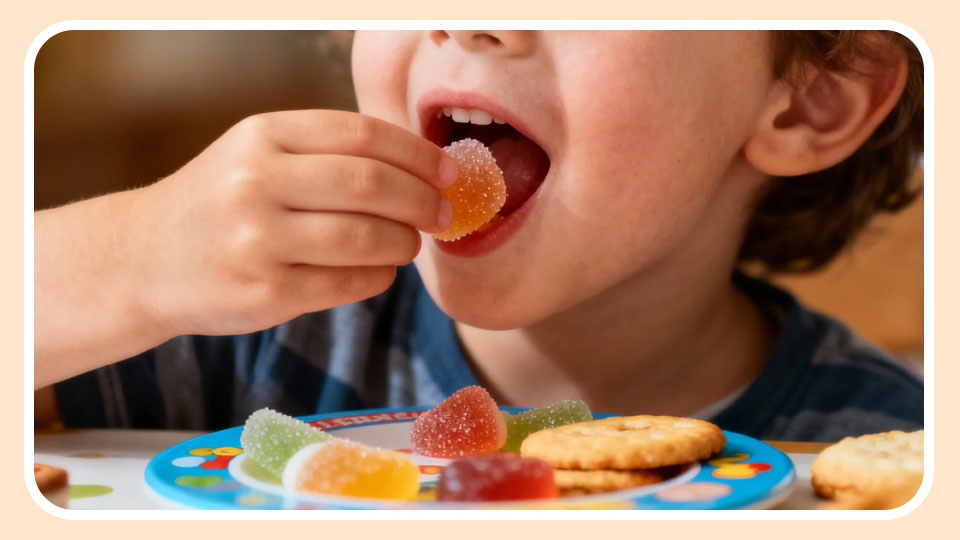




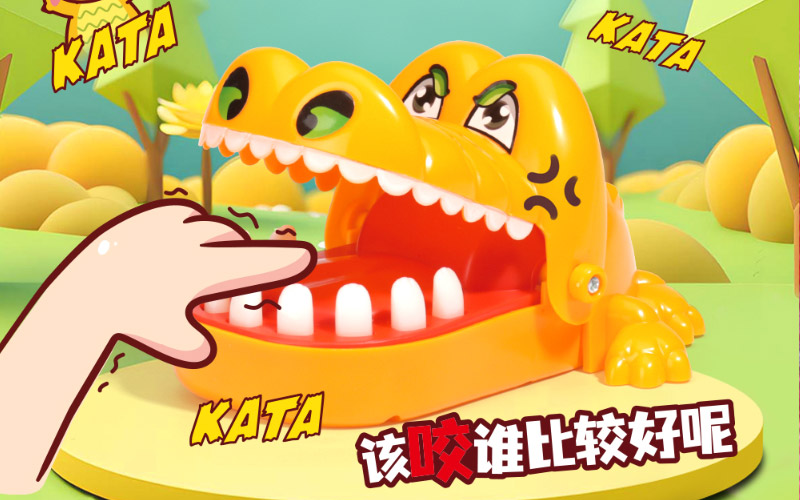
Candy toys have both edible and playful properties. To prevent candy from spoiling and keep the toys intact for a long time, scientific storage is the key. Mastering the following tips can not only preserve the taste of candy, but also prolong the fun of toys.1. Classified storage: Separating candy and toys is more secureAfter unpacking the candy toy packaging, immediately separate the candy from the toy to avoid contamination caused by contact between the two.Candy section: According to the category of candy, follow the principles of sealed, cool, and dry storage, and pack it into food grade sealed containers or bags. Squeeze out excess air from the bag and seal it to prevent moisture, stickiness, and odor absorption. It is recommended to seal candies of different flavors separately to avoid cross flavors affecting the taste.Toy section: Clean the surface of the toy in a timely manner to remove any candy crumbs or stains that may be present, dry it off, and place it in a clean storage box or bag to avoid dust and moisture accumulation that may cause rusting or deformation of the parts.2. Environmental Control: Choosing the Right Place is the Core of Preserving and Ensuring QualityAvoid unfavorable areas: The storage location should be far away from high temperatures, direct sunlight, and humid places, such as near the stove, window sills, bathrooms, etc., to prevent candy from melting and deteriorating, toys from fading, mold, aging parts, and other problems.Preferred suitable environment: Choose a cool, ventilated, and temperature stable area, such as the inside of storage cabinets or drawers, which can keep candies in a stable state and extend the service life of toys.3、 Detail handling: Tips to improve storage effectivenessDon't overlook toy parts: For candy toys with small parts, separate small storage bags can be prepared to pack the parts and label the corresponding toys to avoid loss or confusion with other toy parts, making it easy for children to quickly assemble them for their next playtime.Regularly check the status: Check the condition of candies and toys at regular intervals. I f candies become sticky, have a strange odor, or discolor, discard them in a timely manner; I f the toy parts are loose or rusty, they can be reinforced or replaced in advance to avoid affecting the safety of use.Avoid heavy pressure and mixing: When storing, do not stack heavy objects on the storage container to prevent toys from being squeezed and deformed; At the same time, avoid mixing candy toys with items with strong odors to prevent toys from absorbing odors and candy skewers.4. Special circumstances: Storage tips for unopened candy toysUnopened candy toys do not require additional handling and can be stored in a cool and dry place while preserving the integrity of the original packaging. Be careful not to open the packaging film. The sealed design of the original packaging can better isolate air and moisture, extending the overall shelf life.
01-17Knowledge
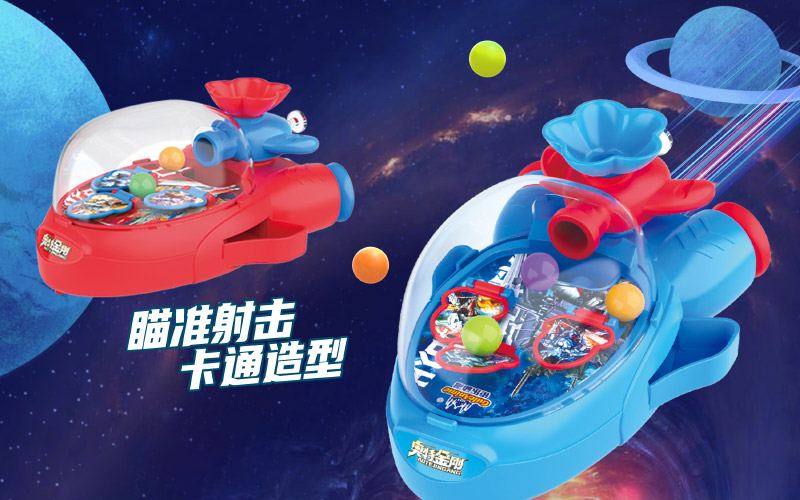
Candy toys have become a favorite among many children due to their fun and playful nature of integrating food and play. But in order to balance the fun of playing and the safety of food, parents need to put more effort into the selection process, carefully checking the details, so that their children can play and eat with peace of mind.1. First, check the label: identify compliance information and reject "three no" productsWhen making a purchase, prioritize checking the complete labeling on the packaging to confirm that the manufacturer, production date, shelf life, and other information are complete and clear. Pay attention to the age range indicated on the product label. Candy toys for different age groups will have targeted considerations in terms of part size and candy shape design. For example, young children's models will avoid small and easily ingested parts to reduce safety hazards.At the same time, pay attention to allergen warnings. If a child has a clear history of food allergies, carefully check the relevant labeling of ingredients, avoid categories containing allergenic ingredients, and reduce dietary risks from the source.2. Re identification of materials: toys are safe and sturdy, candy ingredients are reassuringToy section: Touchable safety: When picking up candy toys, you can visually inspect the texture of the toy components. High quality toys have smooth and burr free surfaces, rounded edges, and are not prone to paint peeling or cracking; Splicing toy parts have a stable bite and are not easy to fall off, avoiding children from accidentally swallowing small parts while playing.Candy section: Visible and reassuring: Observe the appearance of the candy. Normal candy should have a uniform color, no mold spots, no odor, and no adhesion or clumping. Try to choose categories with concise ingredient lists, reduce excessive intake of additives, and provide children with a more reassuring taste experience.3. Combining needs: matching children's characteristics and refusing to blindly follow the trendChoose styles based on age: For young children, it is recommended to choose candy toys with large components and simple structures, and prioritize avoiding styles that contain small beads or detachable small parts; School aged children can choose candy toys that are assembled or puzzle oriented according to their interests, balancing fun and hands-on ability development.According to physical condition, for children with sensitive digestive systems, it is recommended to choose candy types that have a light taste and are not easily sweet or greasy; Children in the stage of tooth development can reduce the risk of dental caries by avoiding candy styles with excessive stickiness.4. Avoiding misconceptions: Don't step on these pitfalls of purchasingDo not blindly pursue "internet famous products". Some candy toys without formal channels and clear labeling may have problems such as poor material quality and candy spoilage. Do not purchase them.Not seeking low prices, candy toys with excessively low prices may compress costs in toy materials and candy ingredients, making it difficult to ensure safety and quality.Do not neglect the integrity of packaging. Candy toys with damaged packaging or leaking liquids may have been contaminated, and even if the price is favorable, it is not recommended to purchase.
01-17Knowledge
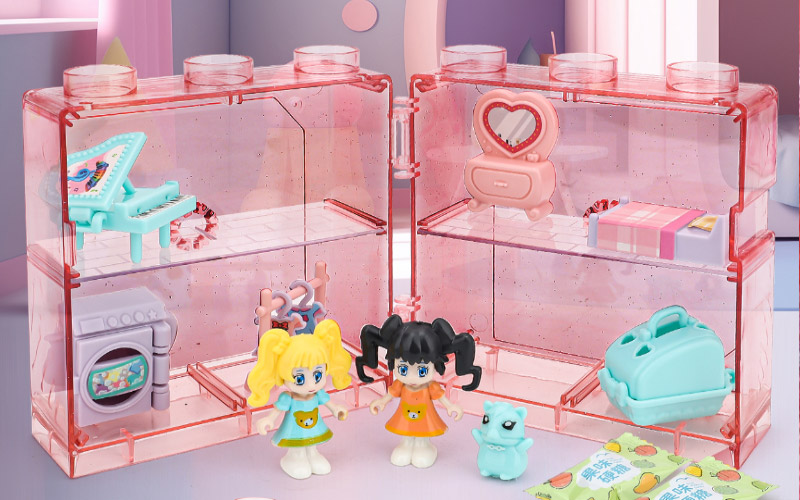
Candy toys have the dual attributes of "snacks" and "toys", and are loved by many children. However, in order to make children have fun and eat with peace of mind, it is necessary to master the correct usage method, balance fun and safety.1. First distinguish the order of eating and playing: clarify the sequence of eating and playingThe core of candy toys is to separate the utilize of "candy" and "toys", do not play while eating.It is recommended to first remove the candy portion and let the child eat it in a quiet state, with the parent accompanying them to avoid the risk of choking due to distraction; Clean your mouth promptly after consumption to reduce the impact of sugar residue on your teeth.After the child finishes eating the candy, guide them to assemble and play with the toy part, which can not only allow the child to focus on enjoying the fun of playing, but also avoid candy debris contaminating the toy or toy parts accidentally touching the mouth and causing hygiene problems.2. Thoroughly examine the "details": do a good job of checking before utilizeCheck packaging and condition: Before opening the candy toy, make sure that the outer packaging is intact, without damage, leakage, or odor, and check i f the relevant labels are complete. After opening, check the candy and toys separately. I f the candy shows signs of deterioration such as stickiness, discoloration, or odor, it should be discarded in a timely manner; I f toys have burrs or small parts that are prone to falling off, they should be dealt with first or avoided for young children to play with.Confirm applicable age: Pay attention to the age range indicated on candy toys. Young children should avoid styles containing small parts to prevent accidental ingestion; For toys that need to be assembled, parents can assist their children in completing the assembly to ensure that the toy structure is stable before utilize.3. Do a good job of "aftermath": timely storage and cleaning after utilizeCleaning and storage of toys: After playing, clean the dust and stains on the surface of the toys in a timely manner, dry them, and place them in a sealed storage box to avoid moisture, dust accumulation, or loss of parts; It is recommended to store different types of candy toys separately to prevent confusion of parts.Proper storage of remaining candies: I f the candies are not consumed in one go, they should be sealed and stored in a cool and dry place, away to high temperatures and direct sunlight, to prevent the candies to spoiling and affecting subsequent consumption.4. Remember the 'taboos': avoid these usage misconceptionsDo not utilize candy toys as a "magic tool" to coax children. Allowing children to eat candy while running, crying, or lying down can significantly increase the risk of choking.Do not let children take food directly after playing with candy toys for a long time. They should wash their hands first to avoid bacteria entering the toys.Do not casually discard the packaging and instructions of candy toys. The assembly steps and precautions for some toys will be detailed in the instructions for future utilize.
01-17Knowledge
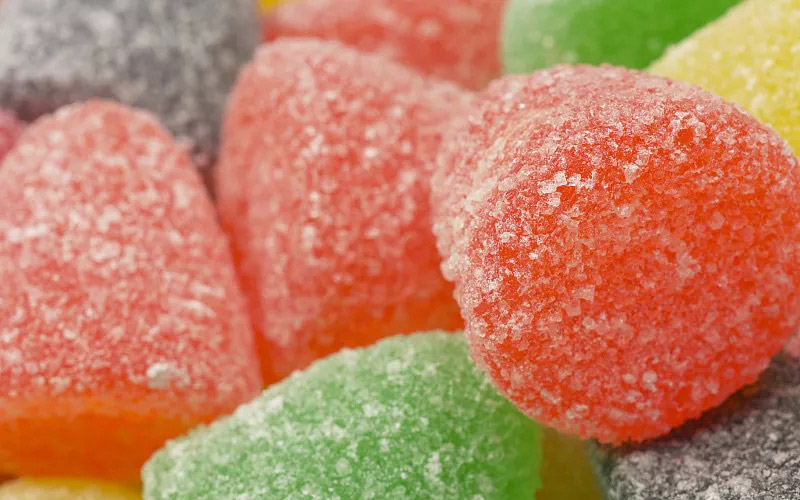
Control eating timeAvoid eating candy on an empty stomach to prevent gastrointestinal irritation; Do not eat before meals to avoid affecting your appetite for the main meal. It is recommended to consume a small amount of snacks between meals, rinse your mouth or brush your teeth promptly after eating to reduce the erosion of sugar on your teeth and prevent tooth decay.Strictly control the amount of food consumedCandy has a high sugar content, and excessive consumption can lead to problems such as obesity and dental caries. It is necessary to control the amount of candy consumed according to the age and physical condition of children, and not use candy as a reward or a "magic weapon" to avoid developing dependence.Pay attention to food safetyWhen young children eat candy, parents should accompany them throughout the entire process, avoiding running, jumping, crying, or lying down to eat, to prevent candy from choking into the trachea and causing danger. At the same time, avoid candies with small particles and sticky texture to reduce the risk of choking.Pay attention to physical reactionsWhen consuming a new type of candy for the first time, it is necessary to try a small amount and observe whether the child has any allergic reactions, such as rash, vomiting, diarrhea, etc. If the child has diabetes, tooth decay, gastrointestinal discomfort, etc., it is necessary to reduce or avoid eating candy.Cultivate good habitsGuide children to clean their mouths promptly after eating candy; Do not casually share or accept candy from strangers; The candy packaging should be discarded in a timely manner to prevent children from accidentally eating the packaging paper.
01-17Knowledge
Candy toys have both edible and playful properties. To prevent candy from spoiling and keep the toys intact for a long time, scientific storage is the key. Mastering the following tips can not only preserve the taste of candy, but also prolong the fun of toys.1. Classified storage: Separating candy and toys is more secureAfter unpacking the candy toy packaging, immediately separate the candy from the toy to avoid contamination caused by contact between the two.Candy section: According to the category of candy, follow the principles of sealed, cool, and dry storage, and pack it into food grade sealed containers or bags. Squeeze out excess air from the bag and seal it to prevent moisture, stickiness, and odor absorption. It is recommended to seal candies of different flavors separately to avoid cross flavors affecting the taste.Toy section: Clean the surface of the toy in a timely manner to remove any candy crumbs or stains that may be present, dry it off, and place it in a clean storage box or bag to avoid dust and moisture accumulation that may cause rusting or deformation of the parts.2. Environmental Control: Choosing the Right Place is the Core of Preserving and Ensuring QualityAvoid unfavorable areas: The storage location should be far away from high temperatures, direct sunlight, and humid places, such as near the stove, window sills, bathrooms, etc., to prevent candy from melting and deteriorating, toys from fading, mold, aging parts, and other problems.Preferred suitable environment: Choose a cool, ventilated, and temperature stable area, such as the inside of storage cabinets or drawers, which can keep candies in a stable state and extend the service life of toys.3、 Detail handling: Tips to improve storage effectivenessDon't overlook toy parts: For candy toys with small parts, separate small storage bags can be prepared to pack the parts and label the corresponding toys to avoid loss or confusion with other toy parts, making it easy for children to quickly assemble them for their next playtime.Regularly check the status: Check the condition of candies and toys at regular intervals. I f candies become sticky, have a strange odor, or discolor, discard them in a timely manner; I f the toy parts are loose or rusty, they can be reinforced or replaced in advance to avoid affecting the safety of use.Avoid heavy pressure and mixing: When storing, do not stack heavy objects on the storage container to prevent toys from being squeezed and deformed; At the same time, avoid mixing candy toys with items with strong odors to prevent toys from absorbing odors and candy skewers.4. Special circumstances: Storage tips for unopened candy toysUnopened candy toys do not require additional handling and can be stored in a cool and dry place while preserving the integrity of the original packaging. Be careful not to open the packaging film. The sealed design of the original packaging can better isolate air and moisture, extending the overall shelf life.
01-17Knowledge
Candy toys have become a favorite among many children due to their fun and playful nature of integrating food and play. But in order to balance the fun of playing and the safety of food, parents need to put more effort into the selection process, carefully checking the details, so that their children can play and eat with peace of mind.1. First, check the label: identify compliance information and reject "three no" productsWhen making a purchase, prioritize checking the complete labeling on the packaging to confirm that the manufacturer, production date, shelf life, and other information are complete and clear. Pay attention to the age range indicated on the product label. Candy toys for different age groups will have targeted considerations in terms of part size and candy shape design. For example, young children's models will avoid small and easily ingested parts to reduce safety hazards.At the same time, pay attention to allergen warnings. If a child has a clear history of food allergies, carefully check the relevant labeling of ingredients, avoid categories containing allergenic ingredients, and reduce dietary risks from the source.2. Re identification of materials: toys are safe and sturdy, candy ingredients are reassuringToy section: Touchable safety: When picking up candy toys, you can visually inspect the texture of the toy components. High quality toys have smooth and burr free surfaces, rounded edges, and are not prone to paint peeling or cracking; Splicing toy parts have a stable bite and are not easy to fall off, avoiding children from accidentally swallowing small parts while playing.Candy section: Visible and reassuring: Observe the appearance of the candy. Normal candy should have a uniform color, no mold spots, no odor, and no adhesion or clumping. Try to choose categories with concise ingredient lists, reduce excessive intake of additives, and provide children with a more reassuring taste experience.3. Combining needs: matching children's characteristics and refusing to blindly follow the trendChoose styles based on age: For young children, it is recommended to choose candy toys with large components and simple structures, and prioritize avoiding styles that contain small beads or detachable small parts; School aged children can choose candy toys that are assembled or puzzle oriented according to their interests, balancing fun and hands-on ability development.According to physical condition, for children with sensitive digestive systems, it is recommended to choose candy types that have a light taste and are not easily sweet or greasy; Children in the stage of tooth development can reduce the risk of dental caries by avoiding candy styles with excessive stickiness.4. Avoiding misconceptions: Don't step on these pitfalls of purchasingDo not blindly pursue "internet famous products". Some candy toys without formal channels and clear labeling may have problems such as poor material quality and candy spoilage. Do not purchase them.Not seeking low prices, candy toys with excessively low prices may compress costs in toy materials and candy ingredients, making it difficult to ensure safety and quality.Do not neglect the integrity of packaging. Candy toys with damaged packaging or leaking liquids may have been contaminated, and even if the price is favorable, it is not recommended to purchase.
01-17Knowledge
Candy toys have the dual attributes of "snacks" and "toys", and are loved by many children. However, in order to make children have fun and eat with peace of mind, it is necessary to master the correct usage method, balance fun and safety.1. First distinguish the order of eating and playing: clarify the sequence of eating and playingThe core of candy toys is to separate the utilize of "candy" and "toys", do not play while eating.It is recommended to first remove the candy portion and let the child eat it in a quiet state, with the parent accompanying them to avoid the risk of choking due to distraction; Clean your mouth promptly after consumption to reduce the impact of sugar residue on your teeth.After the child finishes eating the candy, guide them to assemble and play with the toy part, which can not only allow the child to focus on enjoying the fun of playing, but also avoid candy debris contaminating the toy or toy parts accidentally touching the mouth and causing hygiene problems.2. Thoroughly examine the "details": do a good job of checking before utilizeCheck packaging and condition: Before opening the candy toy, make sure that the outer packaging is intact, without damage, leakage, or odor, and check i f the relevant labels are complete. After opening, check the candy and toys separately. I f the candy shows signs of deterioration such as stickiness, discoloration, or odor, it should be discarded in a timely manner; I f toys have burrs or small parts that are prone to falling off, they should be dealt with first or avoided for young children to play with.Confirm applicable age: Pay attention to the age range indicated on candy toys. Young children should avoid styles containing small parts to prevent accidental ingestion; For toys that need to be assembled, parents can assist their children in completing the assembly to ensure that the toy structure is stable before utilize.3. Do a good job of "aftermath": timely storage and cleaning after utilizeCleaning and storage of toys: After playing, clean the dust and stains on the surface of the toys in a timely manner, dry them, and place them in a sealed storage box to avoid moisture, dust accumulation, or loss of parts; It is recommended to store different types of candy toys separately to prevent confusion of parts.Proper storage of remaining candies: I f the candies are not consumed in one go, they should be sealed and stored in a cool and dry place, away to high temperatures and direct sunlight, to prevent the candies to spoiling and affecting subsequent consumption.4. Remember the 'taboos': avoid these usage misconceptionsDo not utilize candy toys as a "magic tool" to coax children. Allowing children to eat candy while running, crying, or lying down can significantly increase the risk of choking.Do not let children take food directly after playing with candy toys for a long time. They should wash their hands first to avoid bacteria entering the toys.Do not casually discard the packaging and instructions of candy toys. The assembly steps and precautions for some toys will be detailed in the instructions for future utilize.
01-17Knowledge
Copyright: Guangdong Aoerdi Food Technology Co., Ltd Support: 11400.cc
Copyright: Guangdong Aoerdi Food Technology Co., Ltd Support: 11400.cc